News & Commentary
Latest Press Release
ACLU of Maryland Statement on ICE's Lawless Surge in Frederick

Compassion and the Coronavirus: 4 Reasons to Let People Out of Detention
Governor Hogan, listen to the health experts
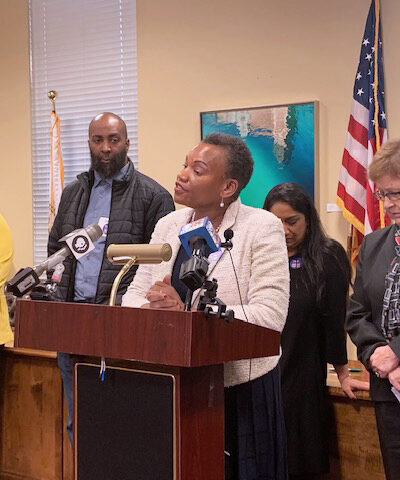
Men Have Nine Pre-Release Centers. Women Have Zero.
This Women’s History Month, the ACLU wants to highlight a woman who is making a difference in her community and demanding equality for women entangled in the legal justice system. Qiana Johnson, Executive Director of Life After Release, is a formerly incarcerated person who has been advocating for pre-release centers for women preparing to return to their communities.
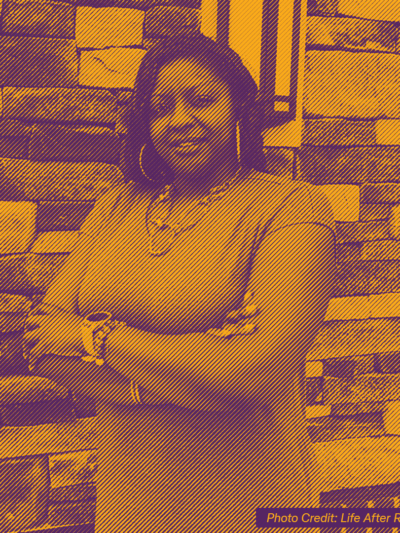
Crown Act: My Hair is Beautiful, Professional, and Acceptable
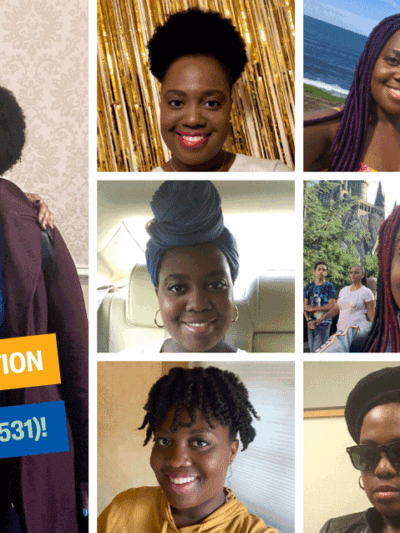
When I was a little girl, my mom would tell me my hair was beautiful. And I loved my hair. As I grew up, I would hear from teachers, family members, and society that my natural hair was not acceptable. I, like many Black women growing up, was told you had to straighten your hair in order to have “good hair” and to succeed in this country. Those comments subtly told me that my hair was ugly and by extension I would be ugly and unacceptable if I maintained that hairstyle.
By Amber Taylor
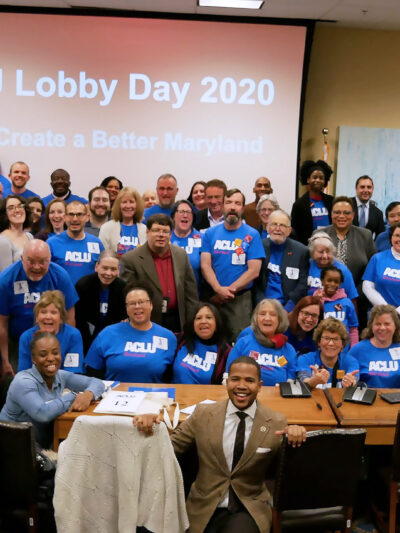
How Marylanders are Making a Difference: Lobby Day 2020
Over a hundred people from across the state attended this year’s Lobby Day and demanded action from their state legislators. From Western Maryland to the Eastern Shore, our members demonstrated that one way to make an impact in your community — and our state capital — is through advocating in person by meeting with your elected officials.
One Year After the Police Killed Emanuel Oates: What Still Needs to Change
On February 19, 2019, Emanuel Oates was shot and killed by officers with the Baltimore County Police Department.
Change Starts with Our Children
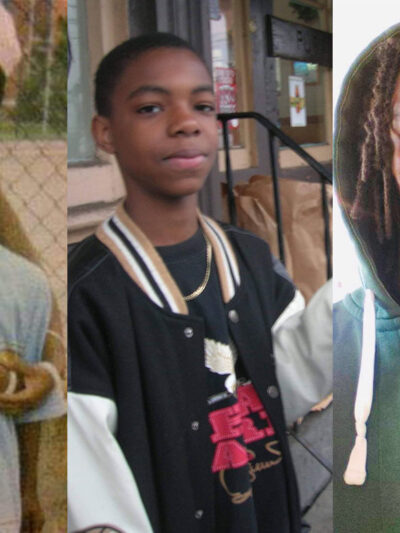
2020 kicked off to a hopeful start for children, teachers, and leaders in Baltimore, as yet another three new 21st Century Schools opened. By 2022, the 21st Century Schools initiative is pushing to replace school buildings in poor conditions by adding 28 new schools.
By

On Broken Voting Systems
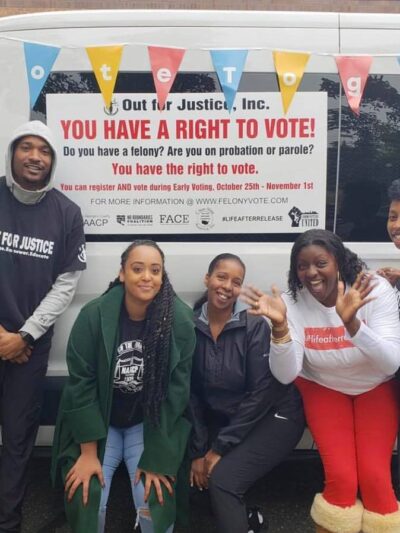
One of the biggest threats to our democracy is rooted in our mass incarceration crisis. Our nation has the highest incarceration rate in the world, and Maryland disgracefully leads the nation with the highest percentage of racial disparities in our prisons. While Black Marylanders only make up 31% of the overall state population, they represent 52% of people in jail and 69% of people in prison.1 There are serious and continuing problems of over-policing in Black neighborhoods and biased sentencing laws. These racist policies have a devasting effect on the political power of Black Americans.
Seven Truths Surrounding 287(g) Programs
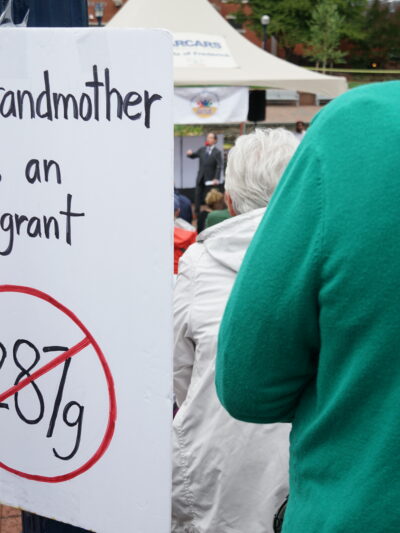
Currently, three Maryland counties – Frederick, Cecil and Harford County – are actively using local police agencies to target and cage immigrants for U.S. Immigration and Customs Enforcement as part of the 287(g) program. The 287(g) program deputizes local police as federal ICE agents who receive minimal training and are incentivized to use racial profiling tactics against mostly Black and Brown immigrants. The belief by some that programs like this keep communities safe stem from several myths. Let’s set the record straight.
Stay Informed
Sign up to be the first to hear about how to take action.
By completing this form, I agree to receive occasional emails per the terms of the ACLU’s privacy statement.
By completing this form, I agree to receive occasional emails per the terms of the ACLU’s privacy statement.