News & Commentary
Latest Press Release
ACLU of Maryland Statement on ICE's Lawless Surge in Frederick

Rallies, marches and protests happening in DC and Maryland
With the inauguration of Donald Trump as president of the United States, many people are looking for ways to speak out in support of civil rights and liberties.
ACLU Education Reform Project Releases Legislative Priorities for the Maryland General Assembly of 2017
Ensure Full and Adequate Funding of Public Education – The ACLU of Maryland’s (ACLU-MD) Education Reform Project will fight to protect education funding and strengthen the education funding formula.
By Bebe Verdery, Frank Patinella, Kimberly Humphrey, Esq., Justin Nalley

Baltimore Police Secretly Running Aerial Mass-Surveillance Eye in the Sky
Bloomberg Businessweek reported late Tuesday that the Baltimore police have been subjecting that city to a vast and powerful aerial surveillance system since January, without telling, let alone asking, the public that they serve. This is a big deal.
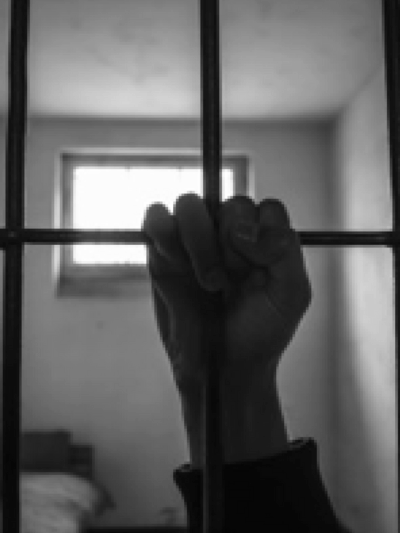
Because Incarcerated People Matter: ACLU-MD Concerns with the 2020 Census Proposal
By Michael Abrams
OpEd: Building a more equitable Port Covington
By Barbara Samuels, Attorney Managing ACLU of Maryland's Fair Housing Advocacy"We will build it together"' is the Port Covington claim. Indeed, with
By Barbara Samuels
Port Covington TIF - Equity Now
The ACLU of Maryland and Public Justice Center have joined forces to submit comments and recommendations on the proposed Port Covington Master Plan to the Baltimore City Department of Planning. Read our comments.‘We will build it together...' is the Port Covington claim. What we should be building is a 21st Century model for the nation of how an old, rust belt, racially and economically segregated city can create a brand new racially and economically diverse community and an economic engine that generates inclusive growth and shared prosperity. We should show that Baltimore has learned a hard lesson: that the existence of "two Baltimores" - one empowered, wealthy and thriving, the other still redlined and marginalized - is not sustainable.As it stands now, the Port Covington Master Plan is a prime example of structural inequality on a massive scale. Our combined areas of concern include transportation and a lack of inclusive affordable housing, diverse commu
OPED in Washington Post: Maryland has started on prison reform. But what about the thousands in jails?
This year, Maryland experienced the beginning of a historic shift from a failed tough-on-crime approach that has swelled our prisons - mostly with poor black and brown people - and emptied our coffers, toward a smarter, evidence-based and more humane approach to justice. That new approach promises to reduce the incarcerated population, reduce recidivism by giving people returning to their communities from jail or prison the support they need to avoid future entanglement with the criminal-justice system and reduce the unconscionable racial and socioeconomic biases that permeate and delegitimize our justice system.
By Toni Holness

Stay Informed
Sign up to be the first to hear about how to take action.
By completing this form, I agree to receive occasional emails per the terms of the ACLU’s privacy statement.
By completing this form, I agree to receive occasional emails per the terms of the ACLU’s privacy statement.