Bio
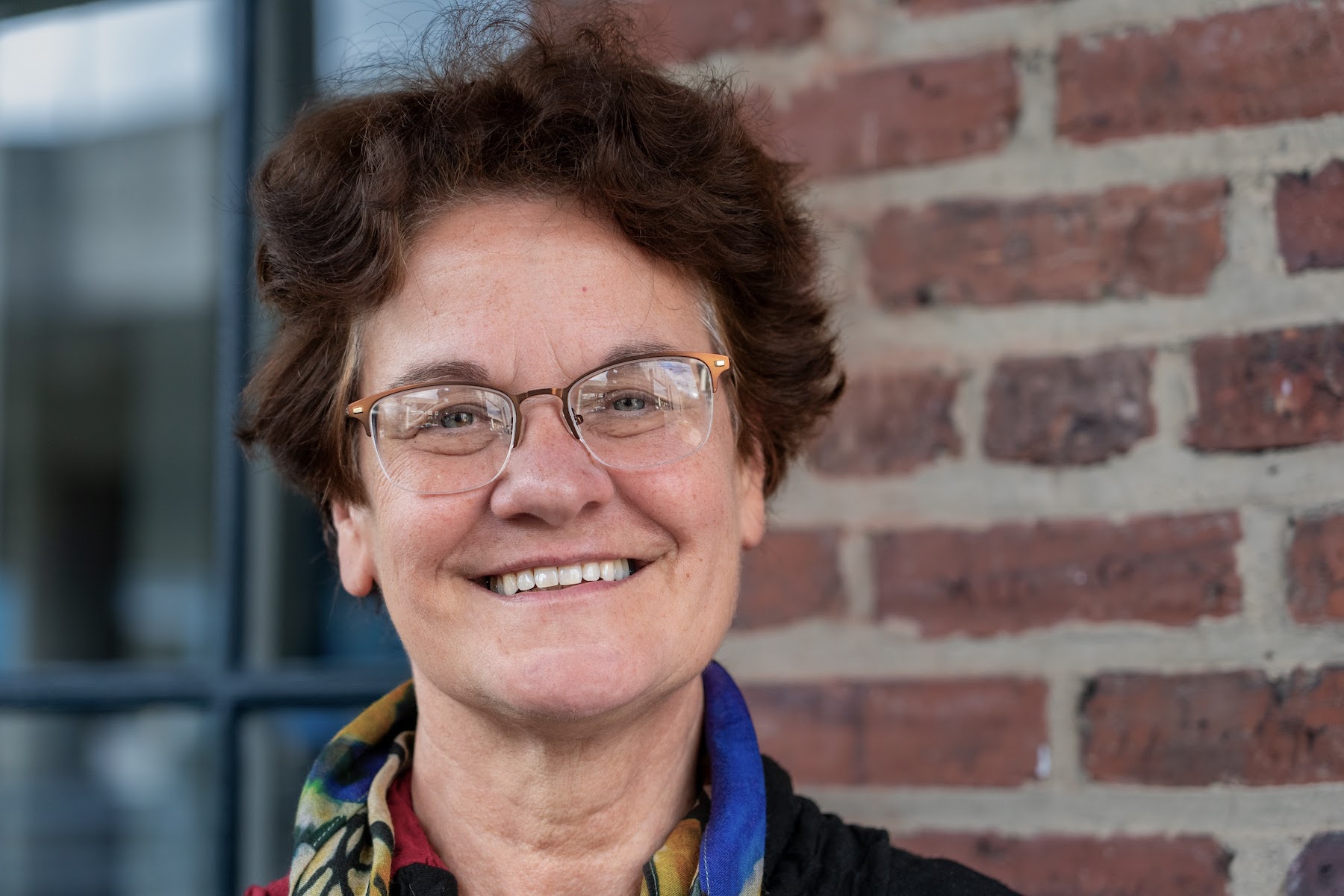
Deborah Jeon is the Legal Director for the ACLU of Maryland, where she has spent more than three decades fighting for constitutional rights through state and federal litigation. She has led landmark cases that transformed Maryland law on voting rights, racial profiling, and government accountability—cases that reshaped how power operates in communities across the state. Debbie began her ACLU career in 1990 on Maryland's Eastern Shore, managing the organization's race and poverty legal work in counties where white resistance to racial equity had persisted for generations. That ground-level experience battling entrenched discrimination—in courtrooms, county councils, and community meetings—shaped her approach to civil rights advocacy. In 2005, she expanded her reach statewide as the ACLU's Legal Director, bringing the same combination of legal skill and strategic vision to fights across Maryland.
Before joining the ACLU, Debbie clerked for U.S. District Judge Myron H. Thompson in the Middle District of Alabama—a judge known for courageous civil rights rulings in the heart of the former Confederacy—then practiced at a labor and civil rights law firm in Little Rock, Arkansas, working alongside communities fighting for economic and racial justice. A graduate of Yale Law School and Cornell University, Debbie also holds a master's degree in journalism and writes regularly about civil rights and civil liberties, translating complex constitutional issues into arguments that resonate beyond the courtroom. She currently serves on the Maryland Attorney General's Civil Rights Advisory Council and recently completed a federal court appointment to a committee revising rules on civil rights attorneys' fees—ensuring lawyers who take on constitutional fights can sustain that work. She is the recipient of the Maryland Daily Record's "Leadership in Law Award" and the Dr. Martin Luther King, Jr. "Dream Keepers' Award.”
Featured Work

America’s most extreme book ban might be coming to MD’s Eastern Shore