
News & Commentary
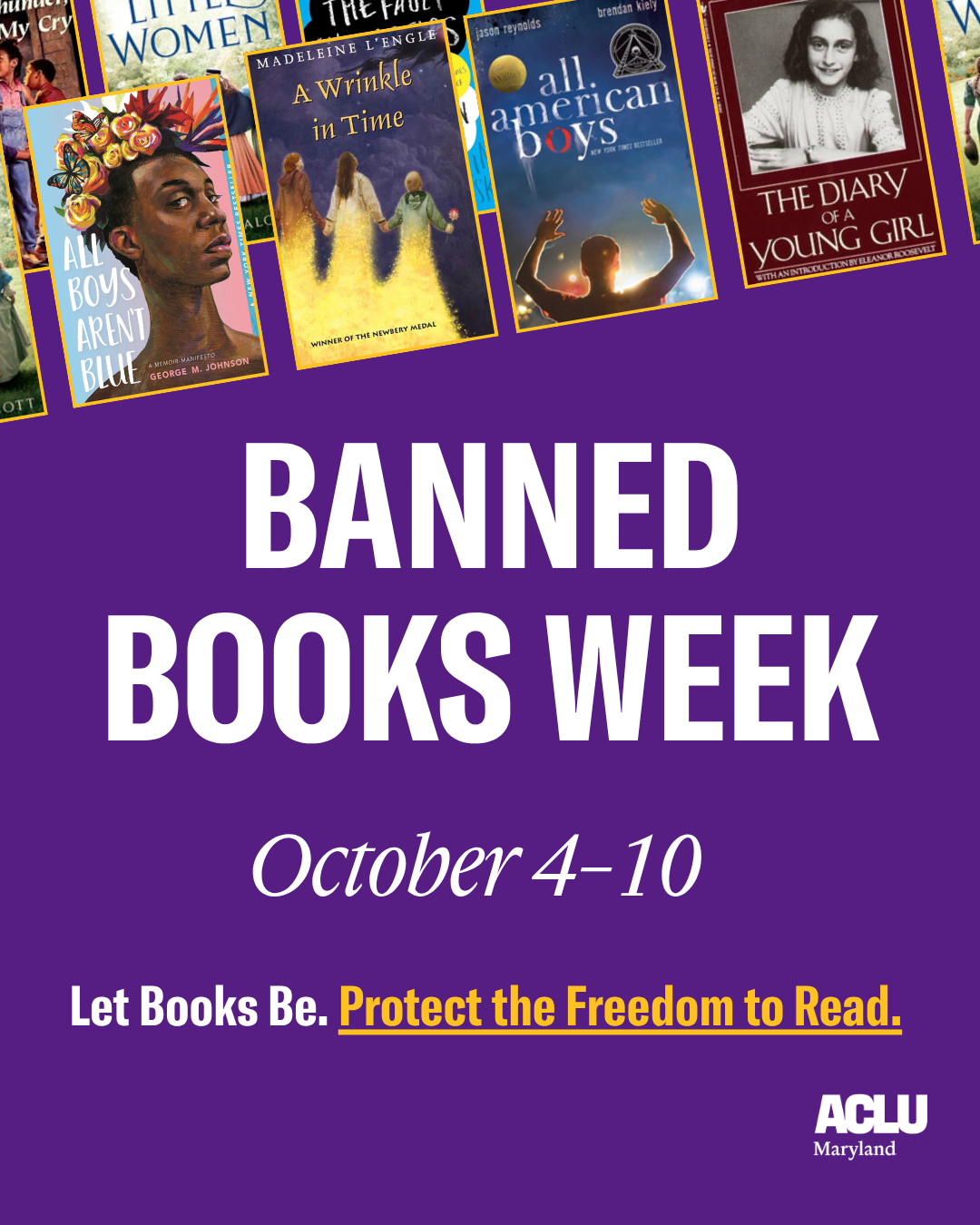
The Banned Books That Helped Shape Who We Are
By Nehemiah Bester, Stefany Thomas, Melody Vidmar, Dana Vickers Shelley, Danielle Tyler

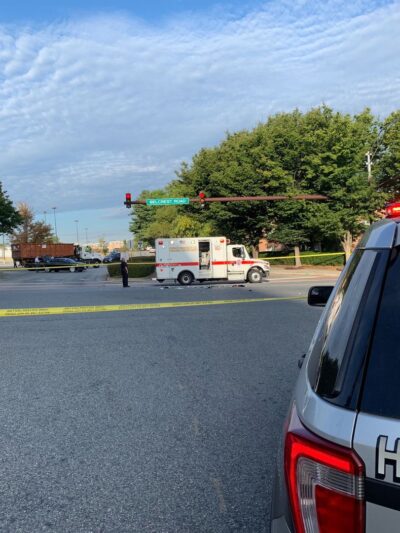
One Year After the Police Killed Emanuel Oates: What Still Needs to Change
On February 19, 2019, Emanuel Oates was shot and killed by officers with the Baltimore County Police Department.
Change Starts with Our Children
2020 kicked off to a hopeful start for children, teachers, and leaders in Baltimore, as yet another three new 21st Century Schools opened. By 2022, the 21st Century Schools initiative is pushing to replace school buildings in poor conditions by adding 28 new schools.
By

On Broken Voting Systems
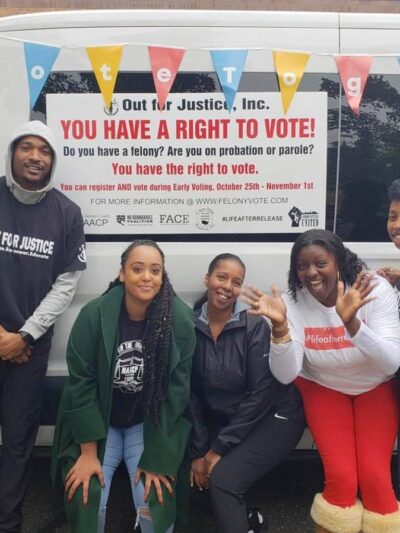
One of the biggest threats to our democracy is rooted in our mass incarceration crisis. Our nation has the highest incarceration rate in the world, and Maryland disgracefully leads the nation with the highest percentage of racial disparities in our prisons. While Black Marylanders only make up 31% of the overall state population, they represent 52% of people in jail and 69% of people in prison.1 There are serious and continuing problems of over-policing in Black neighborhoods and biased sentencing laws. These racist policies have a devasting effect on the political power of Black Americans.
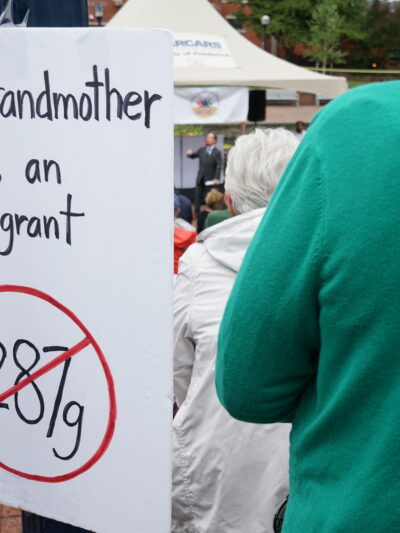
Seven Truths Surrounding 287(g) Programs
Currently, three Maryland counties – Frederick, Cecil and Harford County – are actively using local police agencies to target and cage immigrants for U.S. Immigration and Customs Enforcement as part of the 287(g) program. The 287(g) program deputizes local police as federal ICE agents who receive minimal training and are incentivized to use racial profiling tactics against mostly Black and Brown immigrants. The belief by some that programs like this keep communities safe stem from several myths. Let’s set the record straight.
Schools Must Have Additional Funds To Create the Supportive Learning Environments Children Need
Black and Brown students in Baltimore City deserve to reach their dreams without bearing the burden of inequitable education funding. Many of these students already are burdened by a long history of systemic racism, housing segregation, and economic discrimination that have fostered high rates of poverty, violence, and associated trauma in their communities. The State of Maryland must be held accountable for its failure to provide the necessary funding to deliver a quality education to all students.

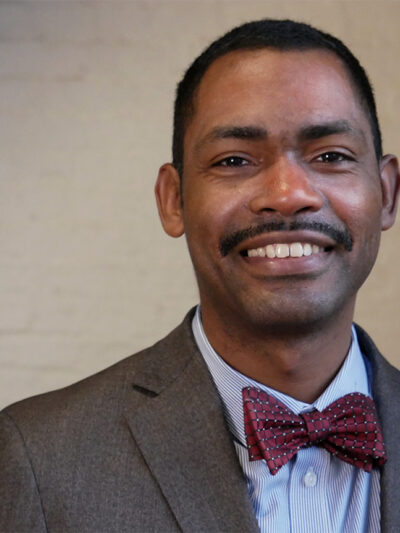
Please Join Us in Congratulating Our New Board President: John Alvin Henderson
The fifth of six children, John Alvin Henderson was born in Indianapolis, raised in Tuskegee, Alabama, and Silver Spring, Maryland, and traveled far before finding home with his wife and children in Baltimore. Of the city, John says, “there is a sense of community with the place that called to me.” Living his earliest years in Tuskegee, a hyper-segregated city, John has always been aware of the importance of civil rights and community. In fact, what first drew John to the ACLU of Maryland was our commitment to intentionally further racial justice.
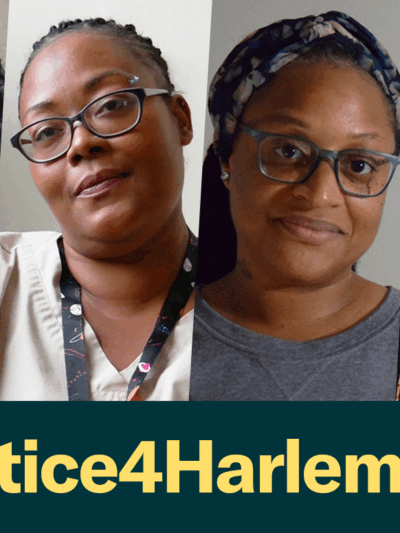
The Lockdown: What happened in Harlem Park would not have happened in Roland Park
On Wednesday, Nov. 15, 2017, at around 4:36 PM, Baltimore Police Department homicide Detective Sean Suiter suffered a fatal gunshot wound to his head, from his own service weapon, in a vacant lot in the Harlem Park neighborhood in Baltimore.
Embracing Our Community
Stay Informed
Sign up to be the first to hear about how to take action.
By completing this form, I agree to receive occasional emails per the terms of the ACLU’s privacy statement.
By completing this form, I agree to receive occasional emails per the terms of the ACLU’s privacy statement.