Books don’t just tell stories – they open us to new ideas, explain and illustrate hard truths, and help record the human experience. The books we read stay with us. From the very first page, a book has the power to broaden our perspectives, expand our worldview, and remind us why free expression is so important. And yet, in Maryland and across the nation, we are witnessing a wave of censorship by government and special interest groups to silence diverse voices, erase history, and limit what we are allowed to read and learn.
At the ACLU of Maryland, we know that protecting the right to read is a fundamental cornerstone of defending democracy and the First Amendment itself. So, in honor of this year’s Banned Books Week, some of our staff members are sharing their favorite banned books. From coming-of-age stories to challenging topics, or simply stories of resistance and history, these are some of our most cherished literary works that remind us why the fight against censorship is a fight worth having for our freedom to read.
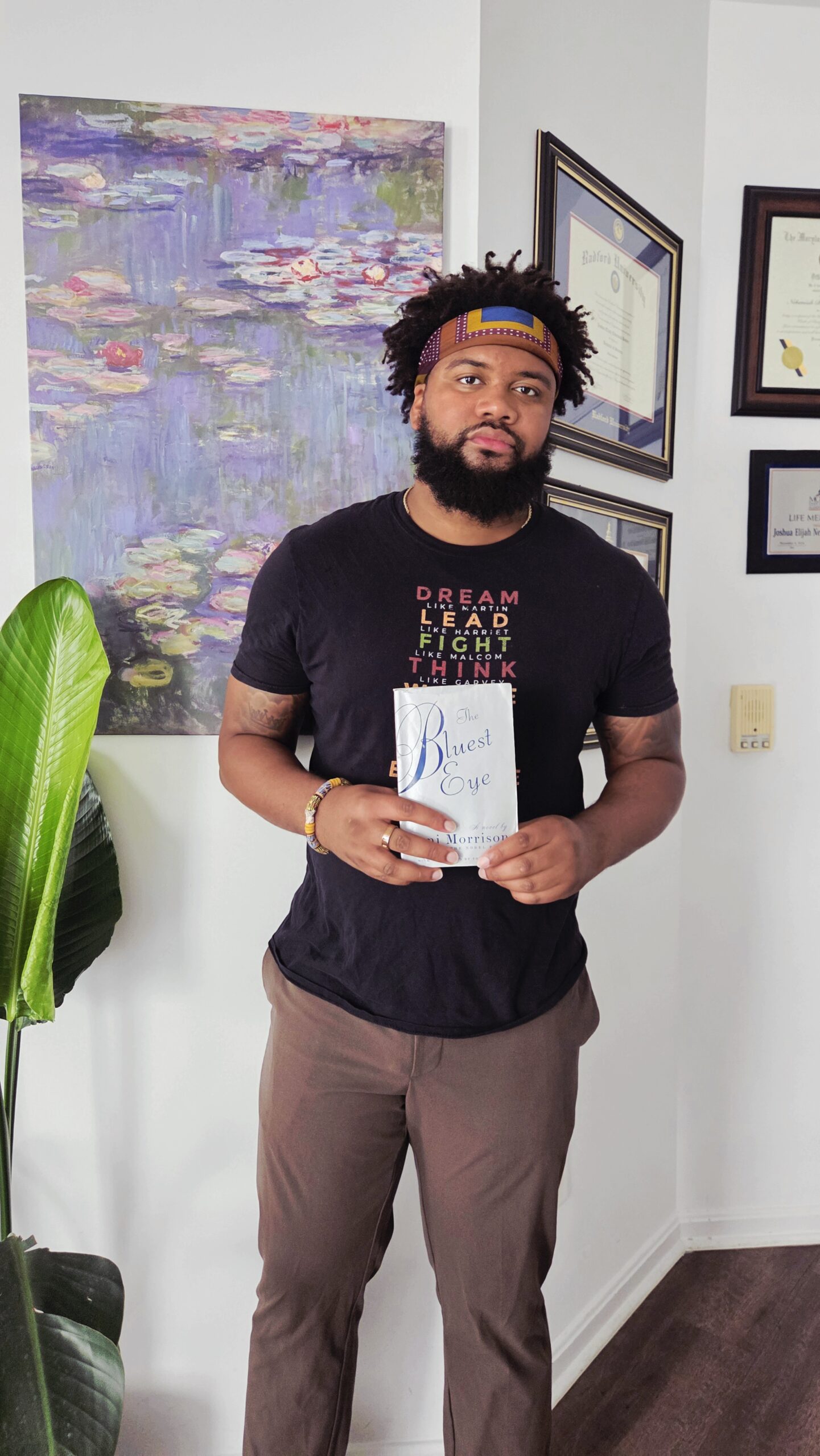
I first read The Bluest Eye by Toni Morrison in high school. A work of fiction, yes, but still all too real for me. A dark-skinned protagonist with curly hair, brown eyes, and not the easiest upbringing…sounds familiar. I wouldn’t be telling the truth if I said I agreed with everything in the novel, or that I didn’t have some uncomfortable moments, but it was the way that Morrison painted a picture for me about certain truths using just words and ideas of America, Blackness, colorism, and this obsession with what is and is not “beautiful”. She didn’t tell a lie.
As a student, these sorts of exposures already existed in real life; she was just among the first to name it for me. I was introduced to Toni Morrison through this book, and she remains one of my favorite novelists to this day because of how willing and bold she was to share a subject that seems taboo, but unafraid to ask difficult questions about race, identity, and attraction.
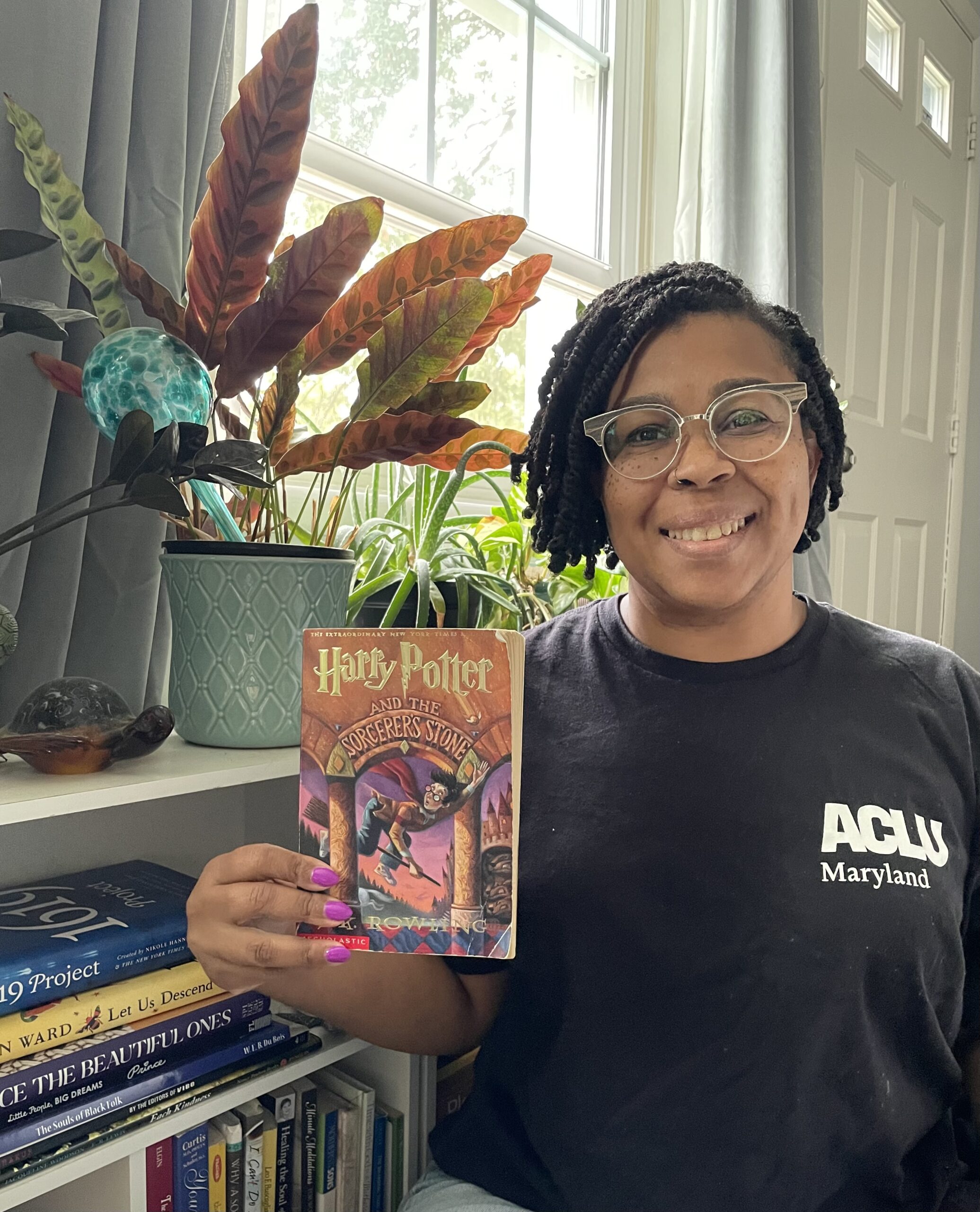
Harry Potter and the Sorcerer’s Stone
When I was in my sophomore year of college, I saw a friend with a copy of one of the Harry Potter books. I remember saying to her, “aren’t those books for kids?” She replied that she knew I would enjoy the series and urged me to at least read the first book, Harry Potter and the Sorcerer’s Stone.
I did, and found that I not only enjoyed the book, but I could also relate to the coming-of-age themes of identity, understanding mortality, and the thin line that often exists between good and evil. The author addresses poverty, child abuse, corruption, murder, grief, and bullying under the guise of a fantastical yet dark narrative. I eventually read the entire series, and I am glad I questioned my friend’s motivations for reading the book.
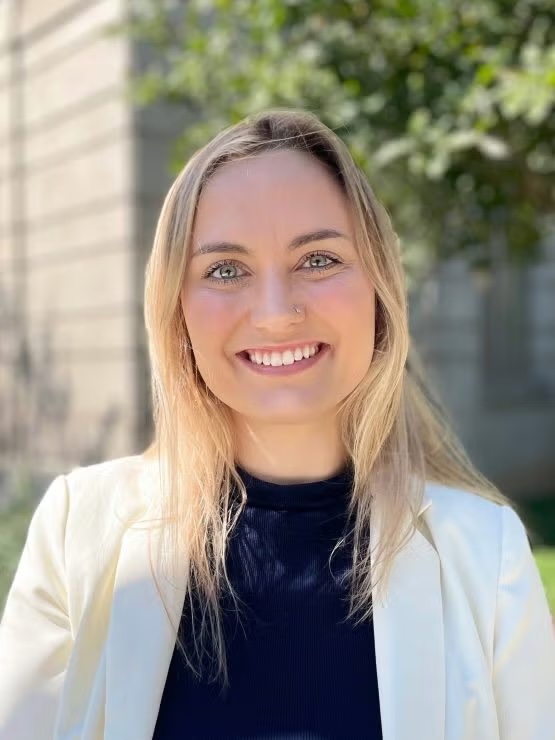
The Perks of Being A Wallflower
My relationship with The Perks of Being a Wallflower has evolved over time. I loved the book as a teenager (I first read it because my friend’s cool older sister recommended it), but it found newfound meaning when I was a young adult. While in law school, I began developing symptoms of anxiety and depression, and I originally picked up my old copy of Perks merely as a nostalgic distraction from what I was feeling.
But the book’s fun, indie coming-of-age tale also delves into the realities of mental health, suicide, and trauma, themes that had never resonated with me before. As a young adult struggling with my own mental health, Perks made me feel seen, and the book’s “Dear Friend” letter style made me feel like I did indeed have a friend—when I really needed one.
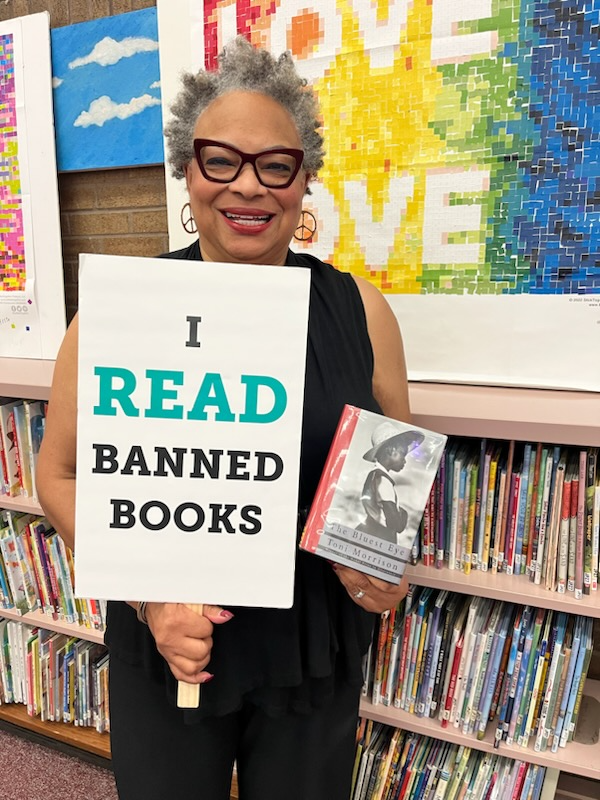
The Diary of Anne Frank, The House On Mango Street, Beloved, and The Color Purple
My favorite banned books are the powerful stories by AND about women that have left me wanting to know even more about their lives and perspectives. From The Diary of Anne Frank, to Sandra Cisneros’ The House On Mango Street, to Toni Morrison’s Beloved, and The Color Purple by Alice Walker, it is always challenging to turn away from their – and their protagonists’ – experiences.
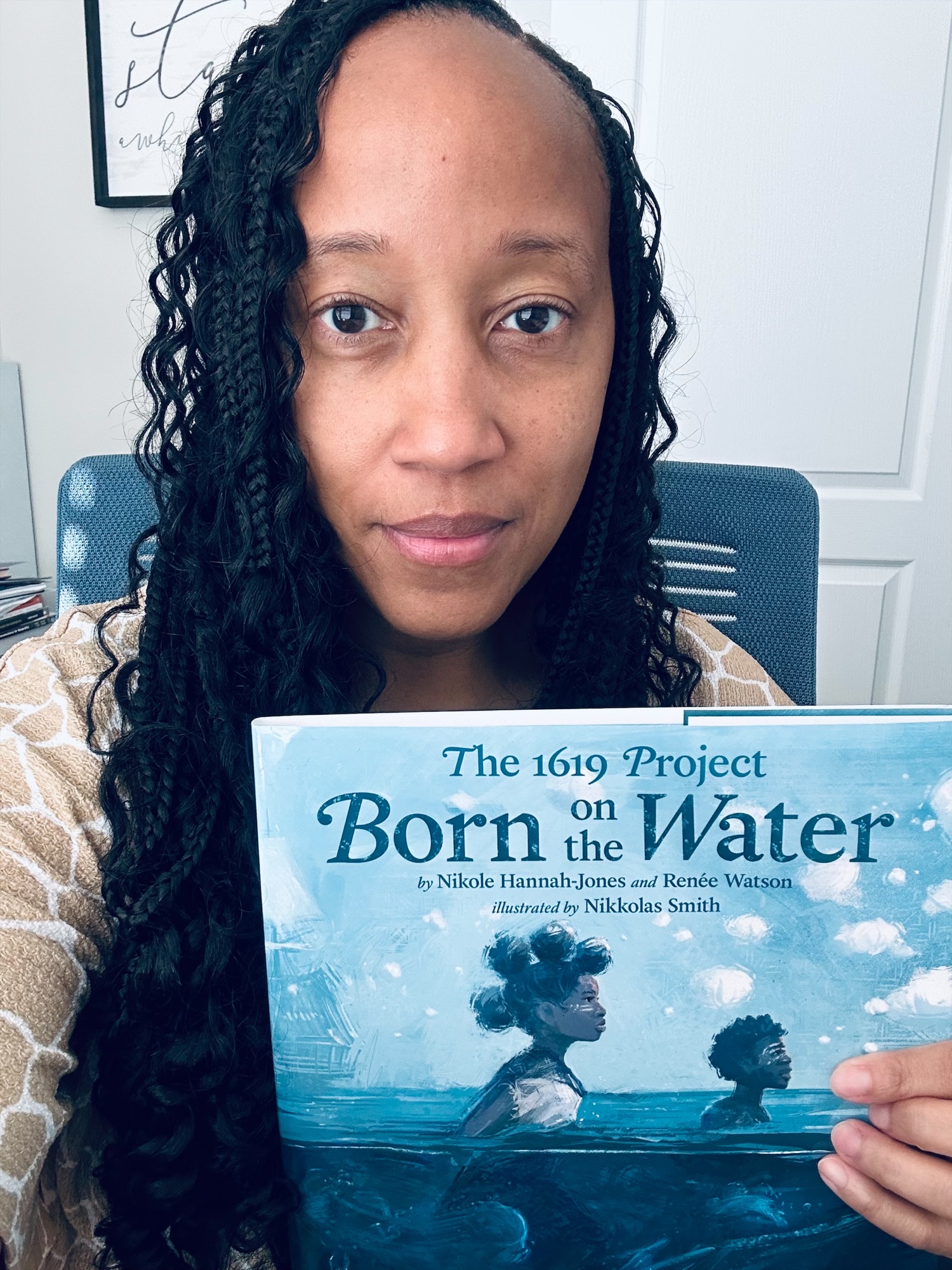
The 1619 Project is one of my favorite banned books because it refuses to look away from what slavery was, while also refusing to let that be the whole story. It tells the truth about the brutality and the systems built on stolen lives, but it is rooted just as deeply in the beauty, resilience, and culture of ancestors the world would rather we forget.
It pushes back on the idea that our story begins on the water, and reminds us that our people had a home, a place, and a land before they were sold. That is exactly why it gets challenged: it puts Black history back in our own hands, in full, with pride and without apology.
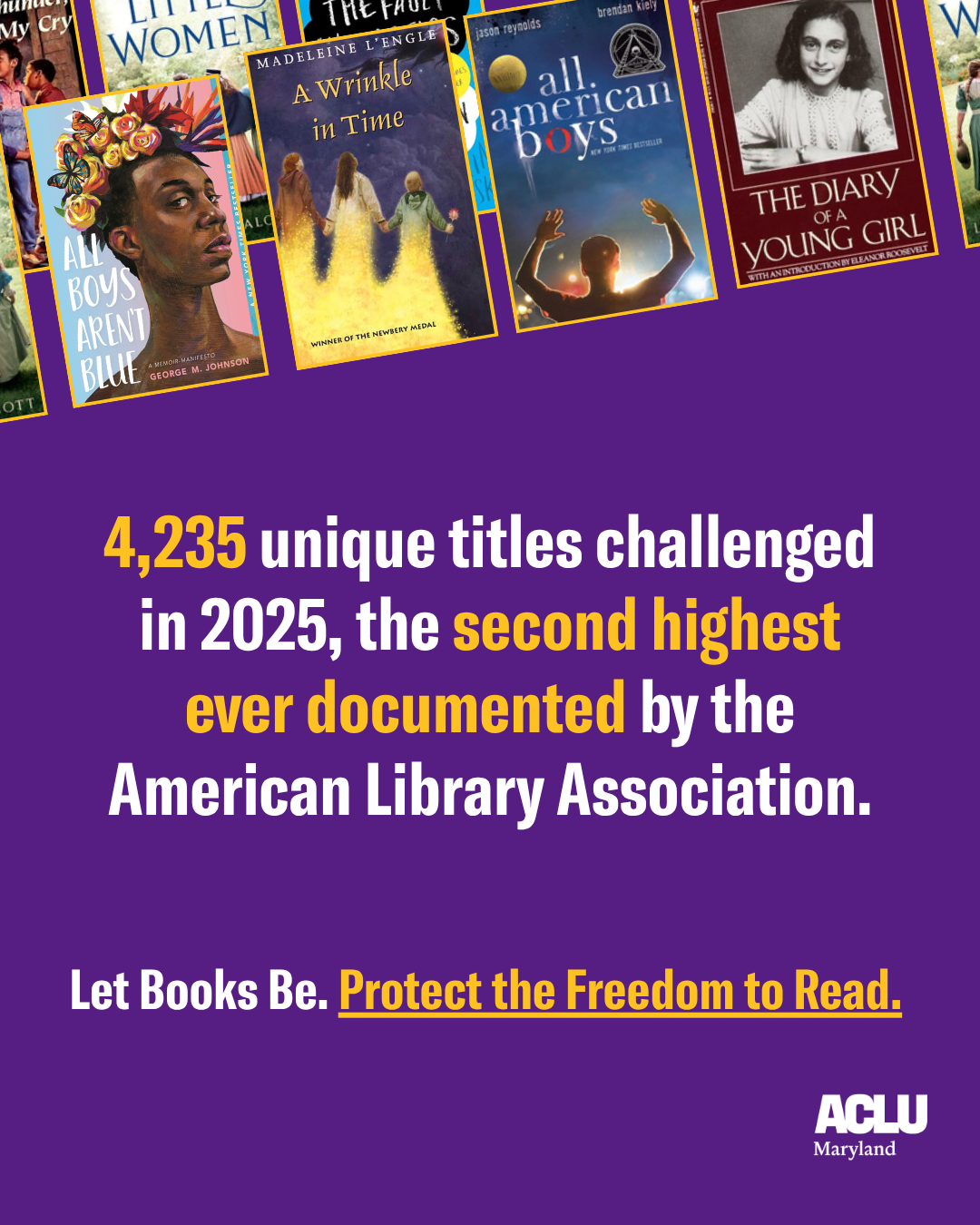
This list of the favorite “banned books” of ACLU-MD staff members reflects our appreciation for the stories conveyed. While decades of “Banned Book” lists have included exceptional work and powerful stories, we recognize some of the authors have been problematic in their statements and actions.